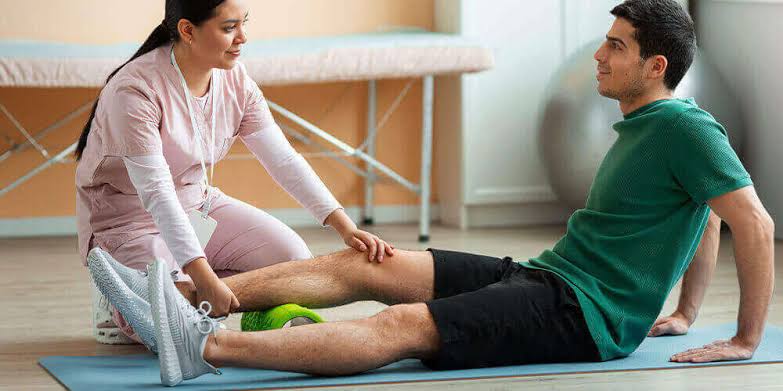
Increasing bone length is just one aspect of limb lengthening surgery. To assist the muscles, joints, and surrounding tissues in adjusting to the body’s slow changes, meticulous therapy is necessary. Physical therapy is just as crucial for regaining mobility, preserving flexibility, and promoting long-term healing as surgical procedures are for achieving the intended outcomes. Patients may progressively regain their strength and confidence while navigating the physical difficulties of limb lengthening with the aid of an organized rehabilitation program.
Comprehending Physical Therapy In The Recovery Of Limb Lengthening
In an orthopedic surgery called limb lengthening, a bone is surgically split and progressively separated to promote the growth of new bone. The surrounding muscles, tendons, nerves, and other soft tissues must adapt to the growing length throughout this process. Patients may develop joint stiffness, tense muscles, and restricted mobility in the absence of proper therapy.
Maintaining joint mobility, enhancing muscle function, and promoting safe movement throughout rehabilitation are the basic goals of physical therapy. The physical condition, surgical technique, and healing status of the patient are often taken into consideration while developing treatment programs.
The Height Surgery Overview will help those who are interested in the surgical operation learn more about the medical method used in height augmentation procedures.
Rebuilding Muscle Power While Recuperating
Because patients often suffer brief limitations on their regular physical activity, muscle weakness may develop during limb lengthening. Declining muscular strength may be caused by decreased mobility, pain, and altered gait.
For this reason, strengthening workouts are crucial to recovery. depending on the patient’s level of recovery, physical therapists may suggest incremental strengthening exercises, regulated resistance training, and mild muscular activation.
Maintaining stability around the afflicted joints is just as important as building muscular strength. As patients recuperate, stronger supporting muscles may enhance their ability to regulate their movements and get them ready for more difficult tasks.
Enhancing Balance And Walking Patterns
Patients’ standing, walking, and weight distribution patterns may be momentarily altered by limb extension. Balance, coordination, and general movement may be impacted by these changes.
Through supervised gait training, physical therapy assists patients in creating safer walking habits. Patients may initially need walkers, crutches, or other mobility aids, depending on surgery instructions.
While adhering to recommended weight-bearing limitations, therapists provide advice on posture, weight distribution, and controlled movement. Rehabilitation may progressively incorporate more complex walking and balancing activities as bone healing advances and medical clearance is obtained.
Without unduly taxing healing systems, this method facilitates the shift to autonomous mobility.
Encouraging Recuperation With Regular Rehabilitation
Patients and their healthcare professionals must communicate, be patient, and be consistent in order for rehabilitation to be successful. Throughout the lengthening and consolidation periods, physical therapy activities are often carried out on a regular basis, although the frequency and intensity of these exercises vary according to the demands of the person.
Periods of pain, exhaustion, or delayed growth are possible for patients. Therapists may adjust workouts and treat new issues without going beyond safe physical limits thanks to regular evaluations.
Better functional results may be achieved by adhering to medical advice, showing up for visits, and doing recommended at-home exercises. Additionally, patients should notify their medical staff of any unexpected discomfort, numbness, or worsening mobility issues.
Getting Ready For Active Living And Long-Term Mobility
Even after the active lengthening phase is over, physical treatment is still crucial. Muscles and joints may need more time to restore their former function, even if new bone production proceeds as planned.
Enhancing endurance, coordination, flexibility, and functional strength are usually the main goals of later rehabilitation. Patients may progressively resume daily activities and ultimately more physically demanding habits, depending on their particular recovery.
Helping patients attain functional mobility while reducing avoidable consequences is the ultimate objective of physical therapy.
Conclusion
Because it tackles the muscle and functional issues that surgery alone is unable to address, physical therapy is an essential component of limb lengthening rehabilitation. Rehabilitation promotes safer mobility and enhanced physical function via stretching, strengthening, gait training, and continuous evaluations. A successful long-term recovery may be significantly impacted by a customized treatment plan, close physician monitoring, and regular patient involvement.