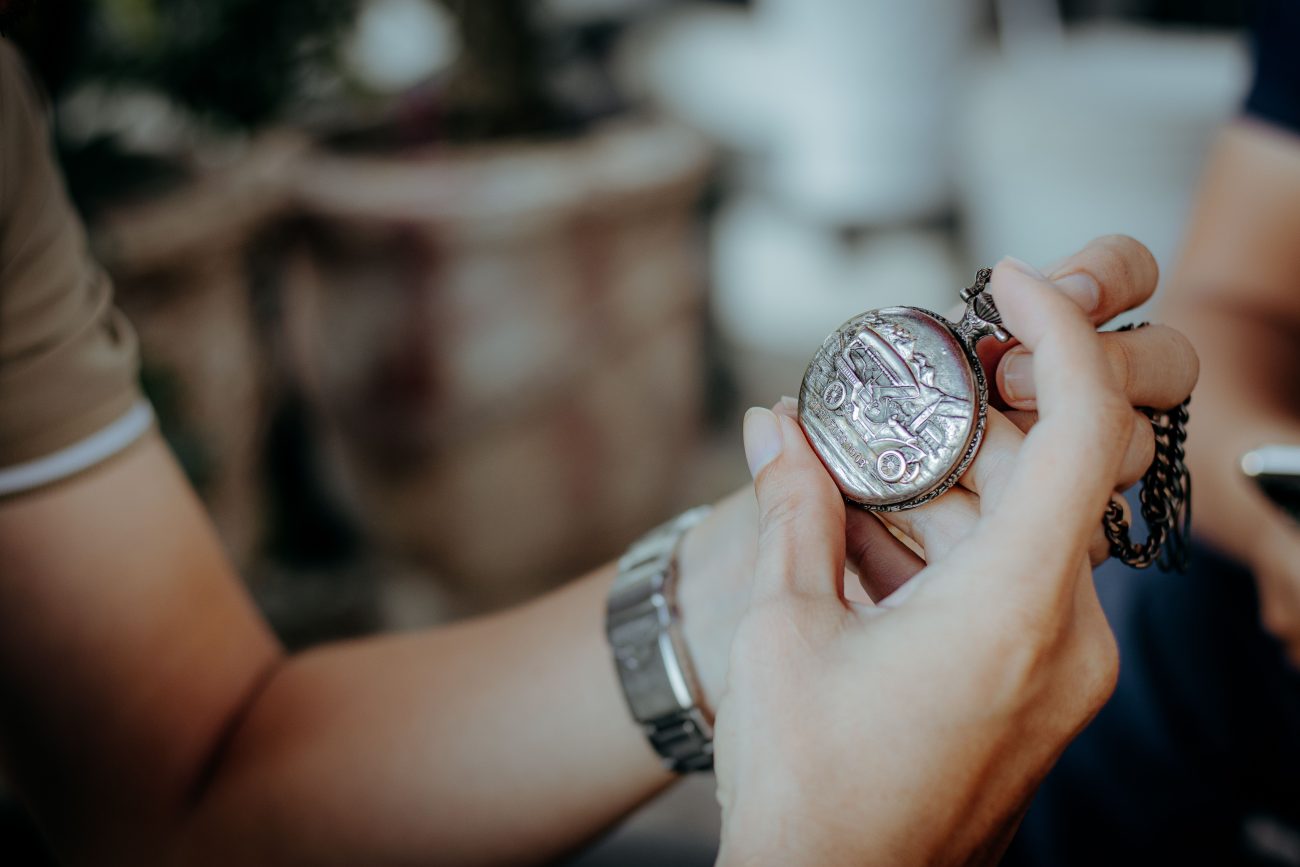
Most people do not deliberately create an archive of their lives. Yet look inside an old drawer, cupboard, wallet, storage box, or bookshelf, and an informal record of the past often appears. A faded receipt recalls a forgotten trip. An old phone contains photographs from a previous stage of life. A scratched watch may have been worn through years of work, celebrations, and ordinary routines.
Personal possessions gradually become connected with memories, relationships, places, and important periods of life. Research into possessions and memory has found that meaningful objects can help people preserve and recall personal experiences. What begins as an ordinary belonging can therefore become an accidental record of time.
Digital Traces Can Become Personal Time Capsules: kaverionline.info
Modern possessions are not limited to physical objects. Saved documents, screenshots, bookmarks, downloaded files, old emails, and browser records can also preserve fragments of particular periods.
A saved reference such as kaverionline.info might originally have been kept simply because information was needed at a particular moment. Years later, however, seeing that reference could bring back memories of what someone was doing, where they were living, or what responsibilities occupied their attention at the time.
This illustrates how digital information can acquire a second meaning. Its original practical purpose may eventually become irrelevant, while its association with a specific period remains. Digital possessions can therefore function much like old notebooks or photographs, even though their physical form is absent.
Paperwork Can Reveal Forgotten Responsibilities: Rtpsbihar
Official documents rarely seem sentimental when they are created. Applications, certificates, forms, bills, and printed confirmations are generally kept because they serve practical purposes. Over time, however, they can reveal how someone’s circumstances changed.
A folder containing a reference such as rtpsbihar may remind its owner of a particular administrative responsibility or stage of family life. The paper itself may have little emotional significance, but the surrounding circumstances can become meaningful later.
Dates, signatures, addresses, stamps, and handwritten notes can transform routine paperwork into evidence of where someone was at a particular point in life. An old address can recall a neighborhood. A signature can remind someone of how their handwriting changed. Even a coffee stain can unexpectedly revive the atmosphere of an ordinary day.
Old Searches Can Capture Periods Of Change: Jkpaysys Gov In Sign Up
People frequently save instructions and search phrases while trying to complete unfamiliar tasks. At the time, these fragments are purely functional. Later, they may represent periods of transition.
Consider a saved phrase such as jkpaysys gov in sign up. Its significance within someone’s personal records may not come from the words themselves. Instead, it could become associated with a new responsibility, a workplace routine, or simply a period when a certain task demanded attention.
Researchers studying cherished objects have noted that traces of use and the passage of time can affect how people perceive their belongings. The same principle can apply to digital traces. Search histories, bookmarked instructions, old account notes, and downloaded guides can quietly document what someone was trying to accomplish at different moments.
Property Records Can Preserve Family Stories: Apnakhatarajsthan
Some possessions connect personal memory with family history. Property papers, old maps, handwritten agreements, house keys, photographs of previous homes, and land related documents can remain meaningful long after their immediate practical purpose changes.
A reference such as apnakhatarajsthan stored among personal documents could become part of a larger collection connected with property matters. Years later, that collection might remind family members of conversations around a dining table, visits to ancestral places, changes in ownership, or decisions made by previous generations.
Objects connected with homes and families often gain meaning because of the relationships surrounding them. Research on valued possessions has similarly found that objects can provide symbolic connections to important relationships, historical events, and earlier stages of a person’s life.
In this way, what looks like ordinary documentation can eventually help explain a family’s journey through time.
Career Materials Can Record Ambition: Hkrn Recruitment 2025
Career related possessions are particularly revealing because professional ambitions change throughout life. Old resumes, examination notes, interview clothes, identification cards, training certificates, and job advertisements can preserve evidence of goals that once felt urgent.
Someone who saved information related to hkrn recruitment 2025, for example, may encounter it years later and immediately remember what they hoped their future would look like during that period. Whether those ambitions were achieved may be less important than the fact that the saved material captures a version of the person who was planning, trying, and imagining possibilities.
These possessions become especially interesting because their meaning changes. A job advertisement initially represents opportunity. Years later, it can represent ambition, uncertainty, persistence, or a turning point.
Wear And Damage Become Part Of The Story
Not every record of time contains writing or dates. Sometimes the evidence is physical.
A suitcase covered in scratches records journeys without identifying every destination. A cookbook stained around particular recipes shows what was repeatedly prepared. A chair with worn armrests reflects years of use. A phone with a cracked corner may recall the exact day it fell.
Such imperfections often make personal belongings more distinctive. Replacing them with identical new products does not necessarily replace their accumulated associations.
This helps explain why people sometimes keep possessions that have little financial value. Their importance comes from experiences connected with them rather than their market price. Research has found that possessions can support people’s desire to preserve and recollect memories.
Ordinary Objects Can Outlast The Moments They Represent
The most fascinating personal records are often created unintentionally. People rarely keep an old coffee mug because they expect it to represent ten years of morning routines. They do not necessarily save a concert ticket believing it will eventually symbolize a friendship. Nor does someone keep an old key knowing that one day it will be the only physical object remaining from a former home.
Meaning accumulates slowly.
As circumstances change, ordinary belongings begin connecting different versions of a person’s life. Some eventually disappear during moves and decluttering, while others survive almost accidentally.
Those surviving possessions can become quiet witnesses to personal history. They record routines, relationships, ambitions, journeys, responsibilities, and changes that formal records may never capture. In that sense, a person’s belongings are more than things occupying shelves and drawers. Together, they form an imperfect but deeply personal timeline, created gradually through the simple act of living.