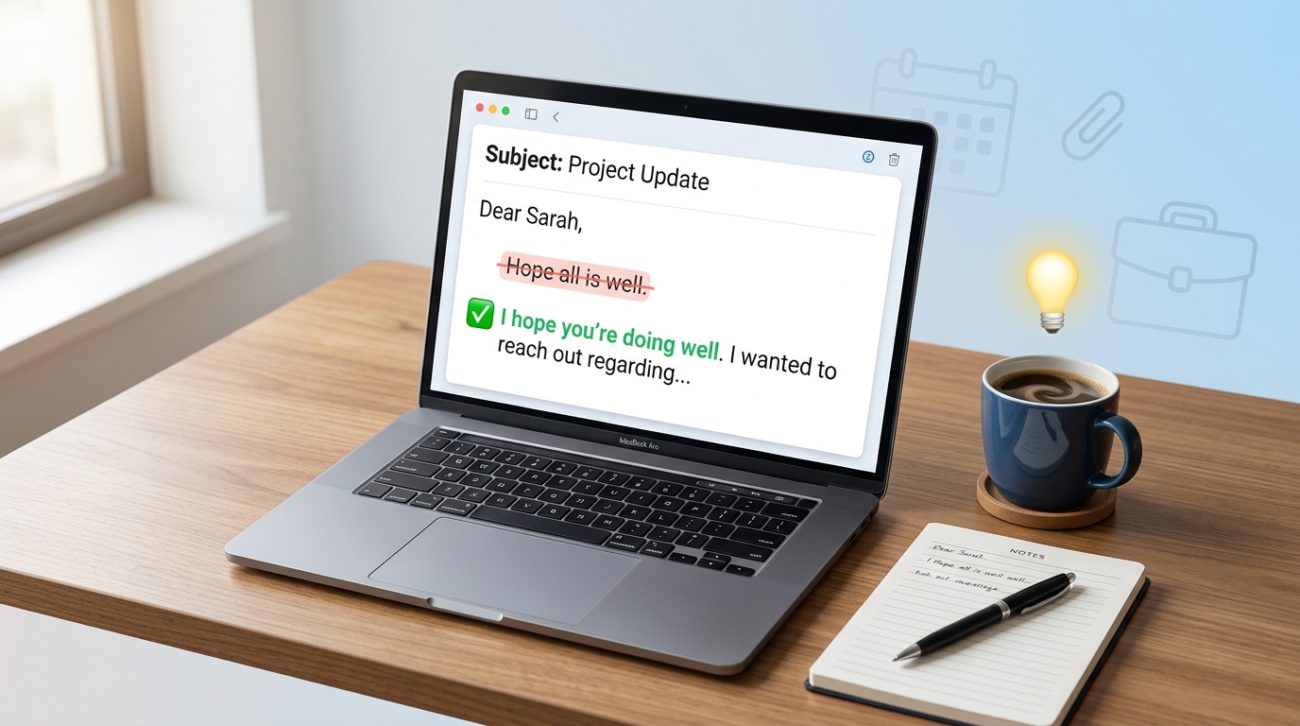
Many professionals search for other ways to say hope all is well because the phrase has become one of the most commonly used email greetings. While it remains polite and professional, using the same opening repeatedly can make emails feel generic. Learning alternative greetings can help make your emails sound more personal, engaging, and relevant to the recipient.
Whether you’re emailing a client, colleague, manager, or business partner, choosing the right opening can help create a positive first impression and strengthen professional relationships.
Other Ways To Say Hope All Is Well
If you’re looking for other ways to say hope all is well, here are some professional alternatives:
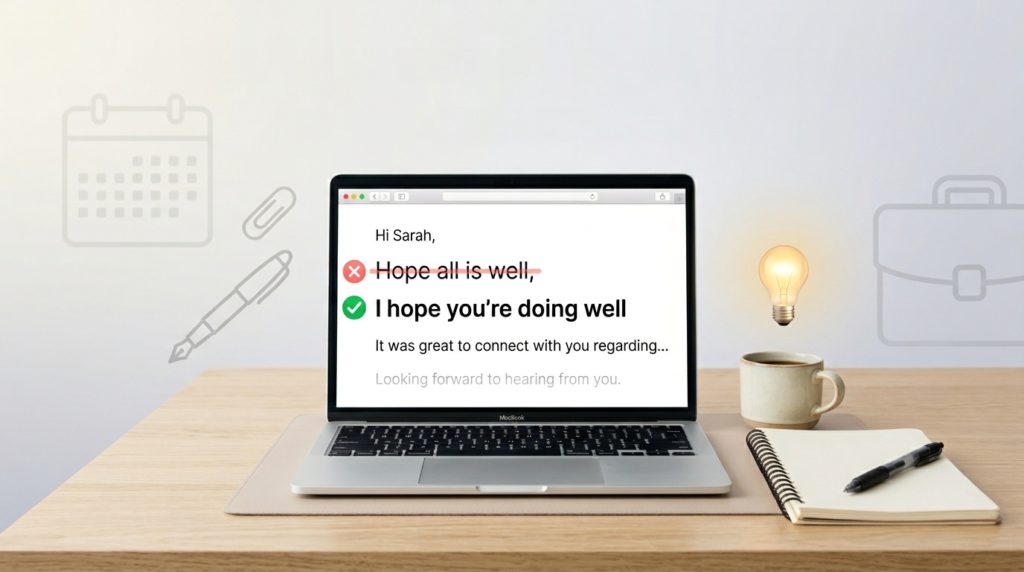
- I hope you’re doing well.
- I hope you’re having a great week.
- I trust you’re doing well.
- I hope everything is going smoothly for you.
- I hope you’re having a productive week.
- I hope things are going well on your end.
- I trust all is going well.
- I hope you’ve been doing well.
- I hope this email finds you well.
- I hope you’re enjoying a successful week.
- I hope everything has been going well lately.
- I trust things are progressing smoothly.
These alternatives maintain professionalism while helping your emails feel less repetitive.
Why People Look For Alternatives To Hope All Is Well
Email communication plays an important role in business and professional relationships. Since many people send dozens of emails every day, using the same greeting repeatedly can make messages feel less personal.
Alternative greetings help:
- Add variety to communication.
- Create a stronger connection with recipients.
- Make emails sound more thoughtful.
- Improve engagement and response rates.
- Reflect a more natural communication style.
Small changes in wording can make a significant difference in how your message is received.
When To Use These Alternatives
Professional greetings are particularly useful when:
- Contacting clients
- Following up on projects
- Reconnecting after a long period
- Networking with new contacts
- Sending business proposals
- Communicating with colleagues
- Checking on project progress
Using personalized greetings can help establish a friendly tone before discussing business matters.
Why Personalization Matters In Email Communication
Many communication experts recommend personalizing email introductions whenever possible. Instead of relying on generic greetings, mentioning something relevant to the recipient can make your message more meaningful.
For example:
- I hope your recent project went well.
- I hope you had a great weekend.
- I hope your conference was successful.
- I hope your team is doing well.
Personalized openings demonstrate genuine interest and often help strengthen professional relationships.
Situations Where Hope All Is Well May Not Be Ideal
Although the phrase remains popular, it may not always be the best choice.
For example:
- Urgent emails requiring immediate action
- Time-sensitive requests
- Emergency communications
- Situations where you recently communicated with the recipient
In these cases, a direct opening may be more effective and appropriate.
How Email Openings Affect Professional Relationships
The opening line of an email sets the tone for the entire message. Friendly and professional greetings help create positive interactions and encourage productive communication.
A thoughtful greeting shows respect and professionalism while making recipients feel valued. Over time, these small communication habits can help build stronger business relationships and improve collaboration.
Modern Trends In Professional Email Writing
Today’s business communication is becoming more conversational. Many professionals prefer warm and natural language rather than overly formal expressions.
While traditional greetings still have their place, modern email writing often emphasizes:
- Clarity
- Personalization
- Brevity
- Authenticity
This shift explains why many people search for alternatives that sound more natural than “hope all is well.”
Conclusion
Knowing other ways to say hope all is well can make your emails feel more professional, personal, and engaging. While the phrase remains a polite and effective greeting, using alternatives such as “I hope you’re doing well” or “I trust all is going smoothly” helps add variety to your communication. Choosing the right email opening based on the situation and recipient can strengthen professional relationships and improve the overall effectiveness of your messages.