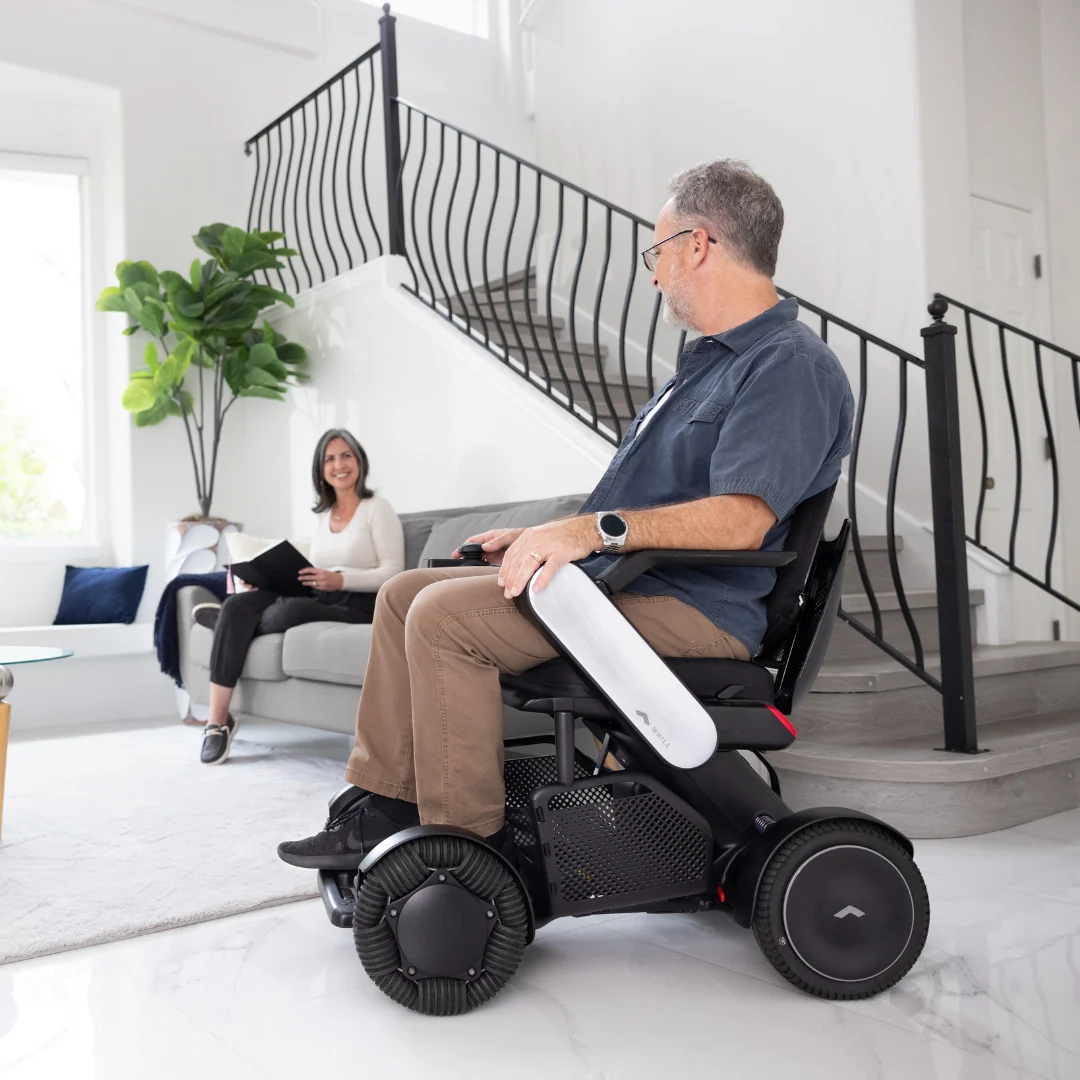
Modern lifestyles demand mobility solutions that offer more than basic transportation. People want equipment that supports independence, adapts to different environments, and makes everyday activities more convenient. Advances in mobility technology have introduced practical features that improve comfort, control, and accessibility. An electric wheelchair represents this shift by combining powered movement with thoughtful design, helping individuals navigate their surroundings with greater confidence.
As cities become more accessible and personal mobility needs evolve, electric wheelchairs are increasingly designed to accommodate different routines, physical requirements, and living environments. Understanding their features and capabilities can help users make informed decisions about long-term mobility support.
Smart Technology Is Changing Personal Mobility
Traditional mobility equipment primarily focused on helping individuals move between locations. Modern electric wheelchairs incorporate technology that makes movement smoother and more manageable. Responsive joystick controls, adjustable speed settings, and electronic braking systems help users maintain control in different situations.
Some advanced models also feature programmable driving modes, battery monitoring displays, and customisable seating controls. These technologies allow users to adjust their mobility experience according to personal preferences and environmental conditions.
However, technological sophistication should never replace practical usability. Controls must remain accessible, intuitive, and suitable for the user’s physical abilities.
Compact Designs for Modern Living Spaces
Limited indoor space can create challenges for individuals using mobility equipment. Narrow hallways, furniture arrangements, elevators, and smaller rooms require wheelchairs that offer efficient manoeuvrability without compromising stability.
Compact electric wheelchair designs address these challenges through carefully engineered frames and turning capabilities. Certain models feature smaller footprints that make navigating residential spaces and public facilities easier.
Before selecting a wheelchair, users should consider doorway measurements, turning space, and the layout of frequently visited locations. A wheelchair that performs well outdoors may not necessarily be suitable for a compact apartment.
Battery Performance and Everyday Convenience
Reliable battery performance is essential for maintaining independence throughout the day. Users may need their wheelchairs for shopping, appointments, social activities, and movement around their homes.
Battery range varies depending on factors such as user weight, terrain, driving speed, temperature, and battery condition. Manufacturers typically provide estimated travel distances, but actual performance may differ under everyday operating conditions.
Modern battery systems can offer convenient charging arrangements and useful indicators that help users monitor remaining power. Establishing consistent charging habits and following manufacturer recommendations can also support battery longevity.
Comfort Features That Support Longer Usage
Comfort becomes especially important when a wheelchair is used for several hours daily. Poor seating support can contribute to fatigue, discomfort, and difficulties maintaining a suitable posture.
Modern electric wheelchairs may include adjustable armrests, supportive backrests, cushioned seating, and customisable footrests. Certain models also provide powered positioning functions that allow users to change their seating posture.
Individual seating requirements vary considerably. Users with complex positioning needs may benefit from professional assessments to identify appropriate support and pressure management features.
Selecting a wheelchair based solely on appearance or advanced technology can overlook these essential considerations.
Portability and Travel Flexibility
Mobility equipment should complement an active lifestyle rather than restrict it. Foldable frames, detachable components, and lightweight construction can make certain electric wheelchairs easier to transport and store.
For individuals who frequently travel, transportation compatibility is particularly important. Vehicle storage dimensions, wheelchair weight, and battery specifications should be reviewed before purchasing.
Air travellers should also check airline requirements because battery transportation rules and handling procedures may differ depending on the wheelchair’s design.
Choosing a Mobility Solution That Fits Individual Needs
The most suitable wheelchair is not necessarily the one with the greatest number of features. Personal mobility requirements, daily activities, physical comfort, and available support should guide the selection process.
Mobility equipment providers such as ELFIGO offer options for individuals exploring powered mobility solutions. Comparing specifications, testing controls, and evaluating after-sales support can help buyers identify appropriate equipment.
Professional assessment is equally valuable. The World Health Organization recommends individualised wheelchair selection, fitting, training, and follow-up to support safe and effective use.
Conclusion
Smart mobility solutions are transforming how individuals approach everyday independence. Modern electric wheelchairs combine accessible controls, adaptable seating, efficient designs, and practical technology to accommodate different lifestyles.
Choosing suitable equipment requires balancing comfort, reliability, manoeuvrability, and personal requirements. With thoughtful selection and proper support, an electric wheelchair can become an important tool for maintaining independence, participating in daily activities, and enjoying greater freedom of movement.