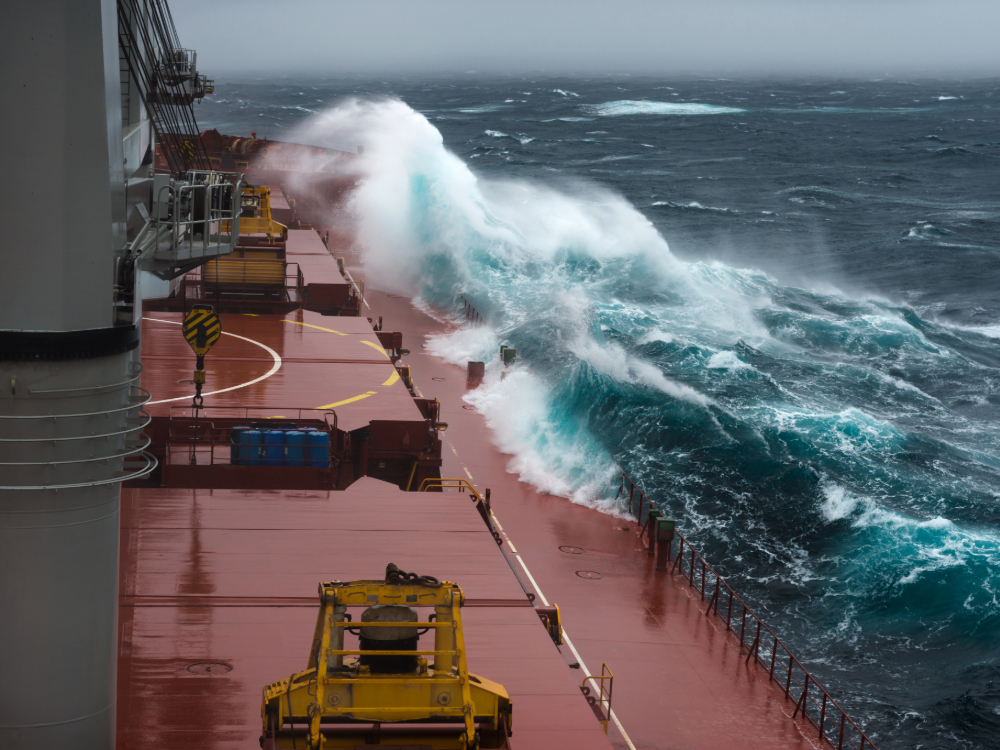
Cargo seals play a critical role in protecting goods during transportation. They act as the first visible line of defense against tampering, theft, and unauthorized access. While seal selection often focuses on strength and compliance, environmental conditions are just as important. Temperature extremes and weather exposure can significantly affect how cargo seals perform throughout the supply chain.
The Impact of High Temperatures on Cargo Seals
High temperatures can weaken certain materials used in cargo seals, particularly plastic-based options. Prolonged exposure to heat may cause seals to soften, lose rigidity, or deform. This can make them easier to break or compromise their tamper-evident features. In hot climates or during summer transport, containers and trailers can reach temperatures well above ambient levels, increasing stress on seals.
Metal components may also be affected by heat, especially if seals are exposed to constant temperature fluctuations. Expansion and contraction can impact locking mechanisms, making seals harder to apply or remove. Choosing heat-resistant materials is essential for shipments moving through deserts, tropical regions, or long periods of direct sunlight.
How Cold Weather Affects Seal Performance
Cold temperatures present a different set of challenges. Plastic seals can become brittle in freezing conditions, increasing the risk of cracking during application or transit. A seal that snaps unexpectedly can create confusion at inspection points and raise unnecessary security concerns.
Metal seals are generally more tolerant of cold, but extreme freezing can still affect flexibility and handling. Gloves, moisture, and ice buildup can make seal application more difficult for workers. Selecting seals tested for low temperature environments helps ensure consistent performance in winter shipping routes or refrigerated transport.
Moisture, Rain, and Humidity Considerations
Rain, humidity, and condensation can also influence cargo seal effectiveness. Moisture may corrode metal components over time, especially if seals are stored improperly before use. Rust or corrosion can weaken seals and make serial numbers harder to read during inspections.
High-humidity environments may affect adhesives or printed markings on seals, reducing visibility and traceability. Clear numbering and durable coatings are important for maintaining accountability in wet or coastal regions. Proper packaging and storage of unused seals can minimize exposure to moisture before deployment.
UV Exposure and Sunlight Damage
Extended exposure to sunlight can degrade certain seal materials. Ultraviolet radiation may cause fading, discoloration, or surface cracking, particularly on plastic seals. This not only affects durability but can also reduce the visibility of logos, serial numbers, or barcodes.
For long-haul shipments where containers remain outdoors for extended periods, UV-resistant seals provide better longevity and clearer inspection results. Weather-resistant coatings help maintain seal integrity even under constant sun exposure.
Technology-Based Seals in Changing Conditions
The GPS Seal is an advanced security device that is made to work in many different kinds of weather. These seals provide real-time location tracking and tamper alerts, adding a digital layer of security beyond physical strength. However, even technology-enabled seals must be rated for temperature tolerance, battery performance, and weather resistance to function reliably.
Ensuring that electronic components are sealed against moisture and tested for heat and cold exposure is essential for uninterrupted monitoring throughout transit.
Choosing the Right Seal for Environmental Challenges
Understanding the environmental conditions a shipment will face is key to selecting the right cargo seal. Factors such as route climate, storage duration, and inspection requirements should guide decision-making. Testing seals under real-world conditions and working with suppliers who offer certified performance data helps reduce risk.
By accounting for temperature and weather impacts, logistics teams can improve cargo security, reduce false tampering alerts, and maintain compliance across diverse shipping environments. The right seal choice ensures protection remains consistent, no matter where the journey leads.