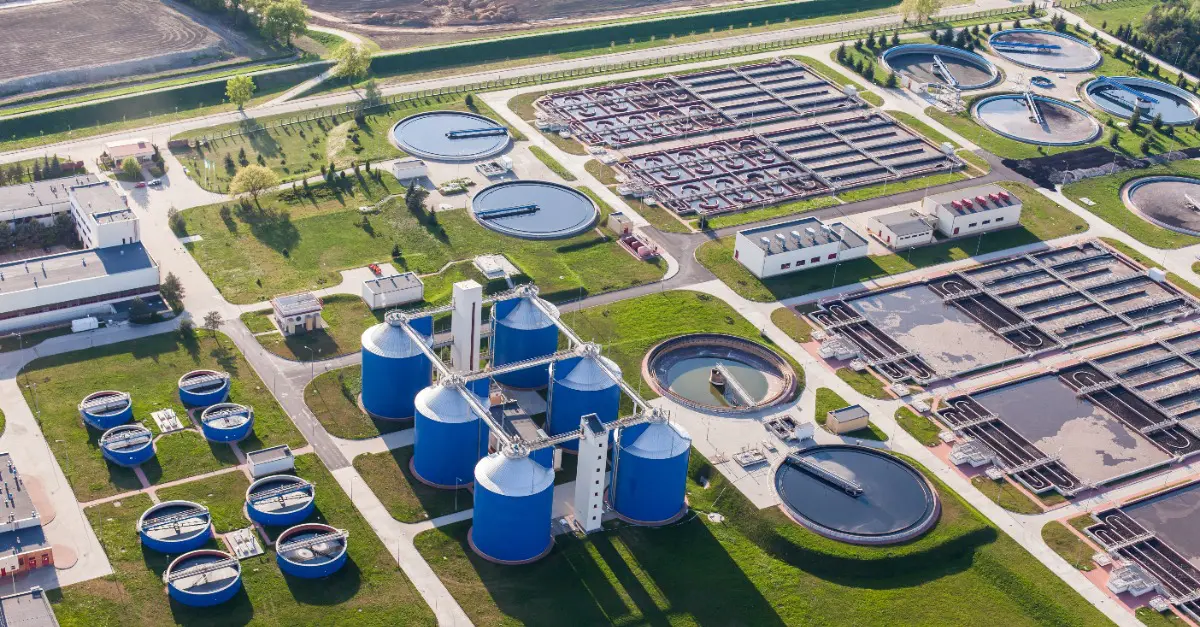
Effective wastewater treatment is essential for protecting public health, preserving the environment, and meeting regulatory standards. Behind every successful treatment process is accurate data that guides decisions and improvements. This is where laboratory testing plays a critical role. A well-equipped Wastewater Testing Lab provides the insights needed to optimize treatment systems, improve efficiency, and ensure safe discharge or reuse of water.
What is Wastewater Composition?
There are many different kinds of things in wastewater, such as nutrients, bacteria, heavy metals, chemicals, and organic matter. It is hard to know what kind of care is needed without the right tests. Lab tests help figure out the biological, chemical, and physical properties of garbage. A lot of common tests check things like pH, total suspended solids (TSS), nutrients like nitrogen and phosphorus, bacteria content, and biochemical oxygen demand (BOD) and chemical oxygen demand (COD). With this knowledge, operators can change the way water is treated based on real conditions instead of guesses.
Supporting Treatment Process Selection
Different types of wastewater require different treatment approaches. Industrial wastewater may contain oils, heavy metals, or toxic chemicals, while municipal wastewater typically has higher organic content. Lab testing helps determine which treatment technologies are most suitable, such as biological treatment, chemical precipitation, membrane filtration, or advanced oxidation processes. By analyzing test results, engineers can design systems that effectively target specific contaminants, resulting in better treatment performance and cost efficiency.
Monitoring System Performance
Once a treatment system is in operation, ongoing lab testing is essential to ensure it functions properly. Regular sampling and analysis track how well each treatment stage removes pollutants. For example, comparing influent and effluent BOD levels shows how efficiently organic matter is being broken down. If performance drops, lab data helps pinpoint the cause, whether it is equipment failure, process imbalance, or changes in incoming wastewater composition. This allows for quick corrective action before issues become serious.
Optimizing Biological Treatment
Biological treatment relies on microorganisms to break down organic waste. Lab testing provides valuable insights into microbial activity and health. Parameters such as dissolved oxygen, sludge age, and nutrient balance are monitored to ensure optimal conditions for bacteria. A Wastewater Testing Lab can also perform microscopic examinations to assess microbial populations. With this data, operators can adjust aeration rates, sludge recycling, or nutrient dosing to maintain stable and efficient biological processes.
Ensuring Regulatory Compliance
Environmental regulations require treated wastewater to meet strict quality standards before discharge or reuse. Lab testing verifies compliance with these regulations by measuring pollutant levels in treated water. Accurate test results protect treatment facilities from penalties, legal issues, and environmental harm. Regular reporting based on lab data demonstrates accountability and commitment to responsible water management.
Reducing Operational Costs
Optimization driven by laboratory data can significantly reduce operating expenses. By understanding exactly what contaminants are present and in what concentrations, treatment facilities can avoid unnecessary chemical use and energy consumption. For instance, if lab results show lower contaminant levels, chemical dosing can be reduced without compromising treatment quality. This targeted approach saves money and extends the life of equipment.
Supporting Water Reuse Initiatives
As water scarcity becomes a global concern, treated wastewater is increasingly reused for irrigation, industrial processes, and even potable applications. Lab testing ensures that reclaimed water meets safety standards for its intended use. Testing for pathogens, trace chemicals, and emerging contaminants provides confidence in water reuse programs and protects public health.
Driving Continuous Improvement
A strong laboratory testing program promotes ongoing improvement in wastewater treatment operations. By analyzing trends over time, facilities can identify recurring issues and develop long-term solutions. Data-driven decision-making leads to smarter upgrades, better process control, and improved sustainability outcomes.
Conclusion
Laboratory testing is the foundation of effective wastewater treatment optimization. From system design to daily operations, accurate data guides every important decision. A reliable Wastewater Testing Lab enables facilities to enhance performance, ensure compliance, reduce costs, and protect the environment. As water management challenges grow, the importance of lab testing in creating efficient and sustainable treatment solutions will only continue to increase.


